Quiet-First HVAC Choices for Orange County Home Offices
Design a Quieter Home Office Comfort Zone
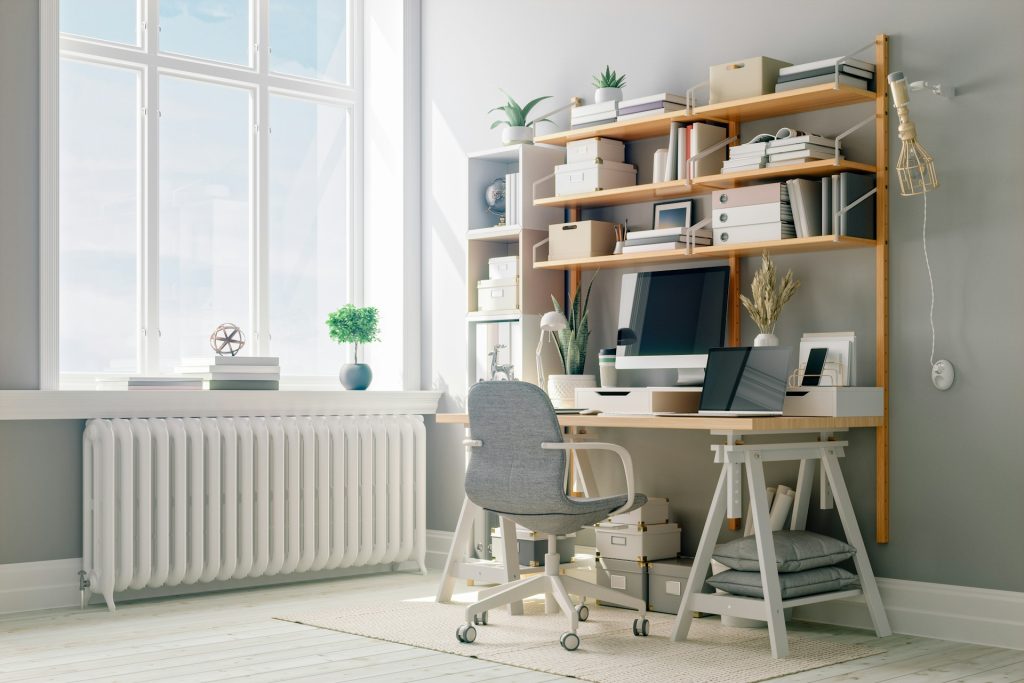
Working from home along the coast sounds peaceful, until your AC kicks on in the middle of a video call and drowns out your voice. For many Orange County homeowners, HVAC noise has become the uninvited coworker in the home office. The constant hum, rattles, and whooshes can make it hard to focus, hard to hear, and hard to feel professional.
Homes in places like Huntington Beach, Newport Beach, and other nearby cities often have unique noise challenges. Many have thinner walls, open floor plans, older ductwork, or home offices squeezed near attics, garages, or patios. Outdoor condensers can sit right under a window, sharing their noise every time the system runs.
A quiet-first approach to heating and cooling is not just about comfort. It is about protecting your workday, your focus, and how you show up on calls. In this post, we will talk about quieter system types, smart controls, sound-reducing installation details, and when a fully custom HVAC installation in Orange County makes sense for a home office setup.
How HVAC Noise Steals Focus in Home Offices
HVAC noise does not always seem loud at first. It builds up across the day. A few hours into work, that background hum becomes tiring, and you may not even notice why you feel worn out.
Common noise sources around home offices include:
- Loud outdoor condenser units right outside a window
- Rattling or popping ducts in the walls or ceiling
- Whistling or hissing supply vents at the desk area
- Short-cycling systems that turn on and off over and over on mild spring days
Each of these can cause real work problems. A noisy condenser can echo into your mic, so clients hear more AC than your ideas. Rattles in the ceiling can interrupt your train of thought while you work through detailed tasks. That on-off pattern many older systems have can cut into your focus every few minutes.
Open layouts, which are very popular in coastal Orange County homes, can also spread noise. Sound travels easily from hallway ducts or living room supply vents straight into a spare bedroom used as an office. If your office shares a wall or ceiling with the attic, garage, or an equipment closet, any vibration or fan noise has a straight shot into your workspace.
Over time, that constant sound:
- Makes it harder to stay locked in on deep work
- Causes echo or feedback on Zoom and phone calls
- Adds a low-level fatigue that builds through long days
Quiet comfort is not just a nice extra. It is part of creating a space where you can actually do focused, professional work from home.
Quiet-First HVAC System Choices for Orange County Homes
Not every smart thermostat has the same tools, so it helps to know which features matter most in a coastal home.
Comfort and savings features to consider include:
- Learning schedules that remember when you wake up, leave, and come home
- Geofencing that uses your phone location to adjust temps as you come and go
- Room sensors that help balance hot and cool spots in different areas
- Adaptive recovery that gently pre-cools or pre-heats before you wake up or return
Energy insight tools can also be very helpful as spring turns into warmer weather:
- Usage reports that show when your AC or heat is running the most
- Eco or energy saver modes that trim usage when comfort allows
- Real-time alerts if the temperature changes too fast or the system runs longer than normal
For everyday convenience:
- Voice control through popular smart speakers
- A simple, clear app that everyone in the family can understand
- Good compatibility with common HVAC systems like central AC, furnaces, and heat pumps
When these pieces work together, you get a thermostat that feels simple on the surface but supports a lot of comfort behind the scenes.
What Professional Smart Thermostat Installation Includes
If your current setup feels too loud, the good news is that many newer systems are built with quiet in mind. Some are a great match for our local climate, where cooling is the big need and heating is light.
Here are some quieter options to consider:
- Variable-speed air conditioners and heat pumps that gently ramp up and down instead of blasting on and off
- Ductless mini-split systems for single home offices or studios
- High-efficiency furnaces or air handlers that can run at lower fan speeds for longer cycles
For noise, some key features and specs to ask about are:
- Decibel ratings for both indoor and outdoor units
- Variable-speed or inverter-driven compressors
- Insulated equipment cabinets
- Fan designs that are built to move air with less noise
In our coastal climate, systems that can run longer at lower speeds often work well. There is less of the harsh on-off noise, temperatures feel more even, and the sound becomes more of a soft background, if you hear it at all.
Spring is a smart time to look at upgrades. The weather is still reasonable, your home is not in full summer cooling mode yet, and you have time to make changes before the hottest days raise both your cooling load and your noise level.
Custom HVAC Installation for a Silent-Focused Workspace
The equipment is only half the story. How it is installed around your home office can make a huge difference in what you actually hear.
With custom HVAC installation in Orange County homes, there is room to plan around the office space itself. That might mean:
- Creating a dedicated zone for the office with its own thermostat
- Moving or adding supply and return vents for better airflow and less noise at your desk
- Placing the indoor air handler and outdoor condenser away from office walls and windows, when possible
Good installers can also use noise-reducing techniques, such as:
- Flexible isolators on air handlers to limit vibration transfer
- Vibration pads under outdoor units to keep rumble out of walls and floors
- Insulated supply and return ducts, especially near office ceilings
- Thoughtful duct routing to avoid tight bends and noisy bottlenecks
When we look at a home office setup, we pay close attention to:
- Room location and layout
- Window size and sun exposure
- The rooms above, below, and beside the office
- Existing duct paths and vent locations
The goal is not a one-size-fits-all system. It is a quieter, smoother setup that matches how you use your space and when you need it to be silent.
Smart Controls and IAQ Upgrades That Keep Things Quiet
Once the right equipment and layout are in place, smart controls can help keep the peace. Smart thermostats and zoning systems can let your equipment run longer at lower speeds instead of blasting during your working hours. That gentle, steady operation is usually much quieter.
Some helpful strategies include:
- Setting the office zone a bit cooler before an important call, so the system can rest while you speak
- Using a schedule so the system ramps down during your focus hours and picks up later
- Taking advantage of low-speed or fan-only modes when the outdoor temps are mild
Indoor air quality upgrades can also support a quiet workspace if they are chosen and installed well. High-MERV filters, air cleaners, and ventilators can all improve air while staying quiet, as long as the system is sized correctly and airflow is planned out. The goal is clean, fresh air without adding a new layer of hum or whine to your office.
Along the coast, evenings can be cooler with gentle breezes, so combining smart controls with good IAQ equipment can help you use those quieter times well. Your system can run lightly, keep your air fresh, and stay mostly in the background.
When to Call for a Professional Quiet-First Evaluation
Sometimes, you can tell the noise has gone too far. Strong signs include:
- Noticeable HVAC noise on almost every video or phone call
- New rattles or buzzes after a past repair or equipment change
- Hot or cold spots in the office even when the system runs a lot
- An older system that seems tired, loud, and ready for replacement
A professional noise and comfort check from a local HVAC team can help you sort out what is really going on. The goal is to find practical upgrades that fit your home, not to push extreme fixes that do not match your needs.
At Brightwater Heating & Air, we focus on quiet-first comfort for home offices in Huntington Beach and nearby coastal communities. When we look at your space, we consider your work schedule, your home layout, the local climate, and your noise concerns, then we plan changes that support calm, focused workdays without turning your house into a construction zone.
Get Started With Your Project Today
If you are ready to upgrade your comfort and efficiency, our team at Brightwater Heating & Air is here to help with a tailored solution. Learn how our custom HVAC installation in Orange County can match your home’s unique layout, performance goals, and budget. We will walk you through options, answer questions clearly, and provide a transparent estimate before any work begins. To schedule a consultation or request a quote, contact us today.
- By brightwater