
Stop Coastal AC Leaks Before Summer Heat Hits
Refrigerant leaks in coastal Orange County are sneaky. They often start small, stay hidden, and show up right when your AC is working hardest. As late spring rolls in and you start leaning on your cooling system more, small problems can quickly turn into long, hot afternoons with weak airflow and poor comfort.
Living near the beach is great, but the same salty air that feels nice on an evening walk can be tough on your HVAC equipment. Corrosion builds up faster on outdoor parts, systems run longer, and that slow leak can turn into higher electric bills and more strain on the whole system. In this article, we will walk through where leaks usually start in coastal systems, how professionals actually find them, and when a full pressure test makes sense for your home.
How Salt-Air Corrosion Triggers Hidden Refrigerant Leaks
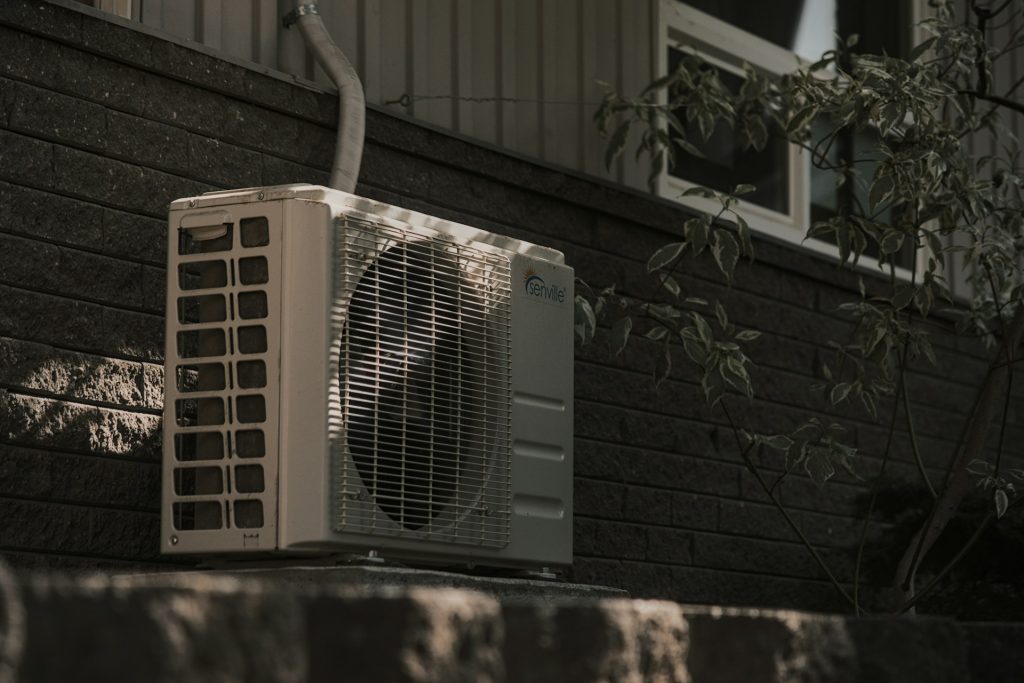
Coastal air is loaded with salt and moisture. When that salty air hits your outdoor AC unit, it sticks to the metal surfaces. Over time, it eats away at copper, aluminum, and steel. That is why homes closer to the water often see more refrigerant leaks and rusted parts than homes farther inland.
Some of the most common corrosion hotspots include:
- Coil U-bends on the outdoor condenser
- Joints where aluminum fins meet copper tubing
- Schrader service valves where gauges get connected
- Exposed line sets that run along outside walls
- Old brazed joints that have already been heated once or twice
As the metal breaks down, tiny pinholes can open up and let refrigerant escape. These holes are often too small to see with the naked eye, but they are big enough to affect performance.
Homeowners may notice warning signs such as:
- Rooms that never quite reach the set temperature
- AC that seems to run almost nonstop on warm days
- Ice buildup on the copper lines or on the outdoor unit
- Hissing or bubbling sounds near the condenser or air handler
- Some rooms staying comfortable while others feel warm and sticky
Simply adding more refrigerant without finding and fixing the leak is a bad idea. It can damage your equipment, create more corrosion, and cause repeated breakdowns. With older refrigerants like R-22 that are being phased out, topping off again and again also wastes money and can break current rules around safe handling and recovery.
Comparing UV Dye vs. Electronic Leak Detection Tools
When there is a suspected refrigerant leak, professionals have a few key tools to track it down. Two of the most common methods are UV dye and electronic leak detectors. Each method has its place, and often they are used together for a careful check.
UV dye works by adding a special dye that is compatible with the refrigerant and oil inside your system. After the dye is added, the AC is run so the dye can travel through the entire refrigerant circuit. Then the technician comes back with a UV light and scans:
- Coil surfaces and U-bends
- Line set connections and fittings
- Service valves and caps
- Brazed joints and repairs
Where there is a leak, the dye will leave a bright, glowing trace. UV dye is especially helpful for slow, hard-to-find leaks that only show up under certain conditions.
Electronic leak detectors, often called sniffers, are handheld tools that sense refrigerant in the air. There are different types, like heated diode and infrared sensors, but they all do a similar job. The technician slowly moves the tip around:
- The outdoor condenser coil and base
- The indoor coil and drain pan area
- Line set entries into walls or slabs
- Valves, caps, and other connection points
If the tool senses refrigerant, it alerts the technician, who can then narrow down the exact source.
Each method has pros and cons:
- UV dye is great for tracking slow or intermittent leaks over time
- Electronic detectors are faster for scanning large areas and catching tiny leaks
- Dye needs time to circulate, while sniffers give instant feedback
- Using both methods can confirm suspect areas and avoid guesswork
In coastal neighborhoods, wind, rooftops, and tight attic spaces can make leak hunting a little tricky. Experience matters a lot here. Knowing how air moves around a backyard, how salt builds up, and where local systems tend to fail often matters more than any single tool.
When a Full System Pressure Test Is Worth It
Sometimes, the leak is not easy to spot during normal operation. That is when a full nitrogen pressure test can come into play. This is a more detailed method that helps confirm whether the system is tight or still losing refrigerant somewhere out of sight.
A nitrogen pressure test usually includes:
- Recovering the existing refrigerant safely from the system
- Pressurizing the system with dry nitrogen to a set level
- Watching the gauges over time for any pressure drop
- Applying a soapy solution to joints and fittings to check for bubbles
If the pressure holds steady, that is a good sign. If it drops, there is still a leak that needs to be found and fixed before any new refrigerant is added.
We normally recommend a full pressure test when:
- The system has lost refrigerant more than once
- There is a strong suspicion of a leak in a line set hidden in a wall or under a slab
- Key components like coils or condensers are being replaced
- Prior repairs have not stopped the loss of refrigerant
Pressure testing is more time- and labor-intensive, but it helps protect your system from repeat failures. It also helps make sure your system is tight before you recharge it with any refrigerant, especially higher cost blends.
Because pressure testing and refrigerant handling involve safety rules and specific tools, they should always be done by trained HVAC professionals who understand local codes and best practices in Orange County homes.
Preventing Future Leaks in Coastal Orange County Homes
Once a leak is found and repaired, the next goal is to reduce the chances of it happening again. In coastal areas, a little prevention goes a long way. Salty air, sunshine, and longer run times all put extra stress on your system.
Smart preventive steps often include:
- Regular coil cleaning to remove salt, dirt, and debris
- Applying or maintaining corrosion-resistant coatings where appropriate
- Checking insulation on outdoor line sets and replacing damaged sections
- Inspecting and tightening aging fittings and service valves
Seasonal maintenance, especially a spring tune-up before heavy AC use, helps catch early signs of corrosion and small leaks. During a tune-up, a skilled technician can check for:
- Rust spots or white powdery buildup on metal parts
- Oil stains that hint at a slow refrigerant leak
- Loose electrical connections and worn contactors
- Drain issues that could stress the indoor coil
If your system is older or has needed repeated leak repairs, upgrades may be worth considering. That might mean newer equipment with improved materials, better routing of line sets to protect them from sun and salt, and indoor air handling improvements that let your system cool more effectively with less strain.
Done on a regular schedule, HVAC leak detection in Orange County becomes part of a complete maintenance plan. This helps stretch the life of your equipment, keep comfort more even, and avoid surprise breakdowns during the hottest parts of the day.
Protect Your Comfort with Local Leak Detection Experts
Refrigerant leaks in coastal homes are not just a minor annoyance. They can sneak up on you with higher energy bills, weak cooling right when you need it most, and long-term damage to your compressor and coils. Catching leaks early, choosing the right detection method, and knowing when to pressure test all make a real difference in how long your system lasts.
At Brightwater Heating & Air, we work in Huntington Beach and nearby coastal communities every day, so we see firsthand how salt air and long cooling seasons affect HVAC systems. By focusing on careful inspection, smart leak detection, and preventive care, we help local homeowners keep their AC running smoother and more efficiently, season after season.
Protect Your Home With Fast, Accurate Leak Detection
If you suspect a refrigerant or water leak, waiting can lead to higher energy bills, equipment failure, or damage to your home. Our team at Brightwater Heating & Air provides prompt, expert HVAC leak detection in Orange County so you can address issues before they turn into costly repairs. We will assess your system, explain your options clearly, and get your comfort back on track as quickly as possible. To schedule service or ask a question, simply contact us.
- By brightwater