
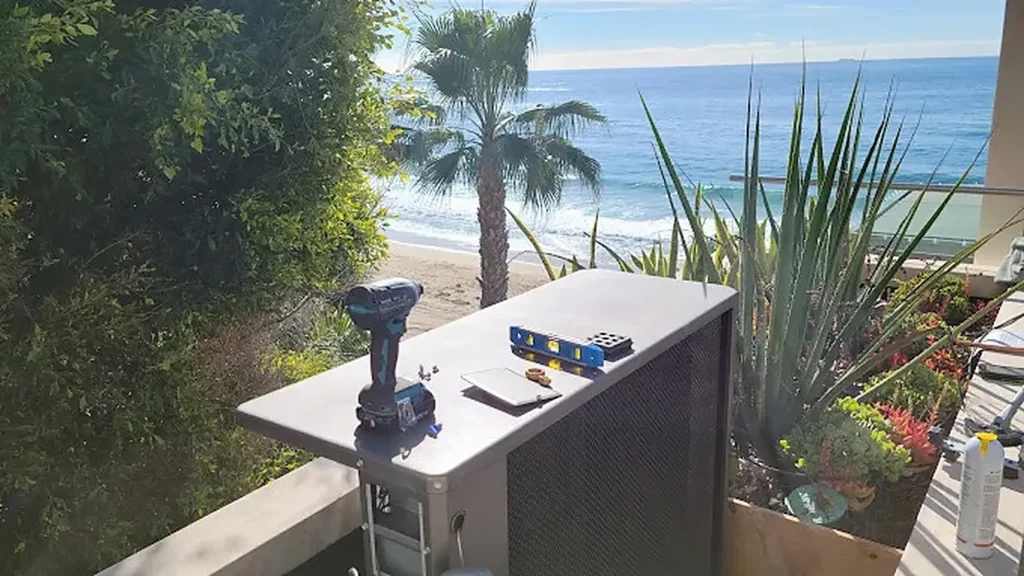
If you live near the beach, will a heat pump actually save you money and hold up to salt air? The answer is rarely a simple yes or no. Deciding whether a heat pump is worth it for an Orange County coastal home comes down to three main factors:
- Comfort: Steady indoor temperatures, dependable humidity control, and quiet operation along narrow lot lines.
- Total cost: Equipment and electrical panel upgrades balanced against maintenance and Southern California Edison (SCE) time-of-use electric rates.
- Coastal longevity: Protecting outdoor components from corrosive marine air so the system reaches its full lifespan.
In this guide, we cover:
- Heat pumps compared directly to traditional AC and gas furnace setups
- Coastal corrosion realities and practical ways to protect outdoor coils
- A straightforward way to estimate operating costs without inflated savings claims
- Essential questions to ask Orange County contractors before signing an agreement
Brightwater is locally owned and owner-led, bringing a coastal-first approach to home comfort. Here is what you need to know about how this equipment operates and why our ocean climate changes the math.
How a Heat Pump Compares to Traditional AC and Furnace
Many homeowners assume heat pumps are complex or untested equipment. In reality, a heat pump is built on the same refrigeration cycle as a standard central air conditioner, with one clever addition: a reversing valve that lets the system run backward to provide heat.
The functional difference comes down to how each system manages temperature:
- Cooling mode: The system absorbs heat from inside your home and releases it outside, operating identically to an air conditioner.
- Heating mode: Instead of burning natural gas to create heat, the system captures ambient warmth from the outside air and moves it indoors.
Here is how the two approaches compare across the factors that matter most for coastal Orange County homes:
- Equipment setup: One outdoor unit and one indoor air handler handle both heating and cooling in a heat pump system. Traditional AC-plus-furnace setups require two separate pieces of equipment.
- Coastal heating: Heat pumps deliver maximum efficiency in our mild 45 to 60 degree coastal winters. Gas furnaces produce rapid, high-temperature heat regardless of outdoor conditions.
- Operating costs: Heat pump bills depend on SCE time-of-use rates and rooftop solar production. Gas furnace costs track Southern California natural gas utility rates and baseline therms.
- Humidity control: Variable-speed inverter heat pumps provide continuous, low-stage dehumidification that handles marine moisture well. Single-stage gas systems can short-cycle and leave humidity in the air.
- Backup heat: Heat pumps can use electric heat strips or a hybrid dual-fuel gas setup. Traditional systems rely on a built-in gas burner for all primary and backup heat.
A heat pump is often a strong fit if you use cooling regularly, want to simplify to a single all-electric system, or have solar panels to offset electricity use. It is usually less urgent if your gas furnace is relatively new and your family rarely turns on the AC during summer.
For older coastal homes without existing ductwork, ductless mini-split systems offer the same efficient heat pump performance with flexible, room-by-room zone control.
Protecting Your Coastal Heat Pump From Salt Air and Corrosion
An unprotected heat pump installed within a few miles of the ocean can see its service life cut well short of the typical 12 to 15 years. Whether a heat pump is worth it for an Orange County coastal home depends just as much on your corrosion strategy as it does on efficiency ratings.
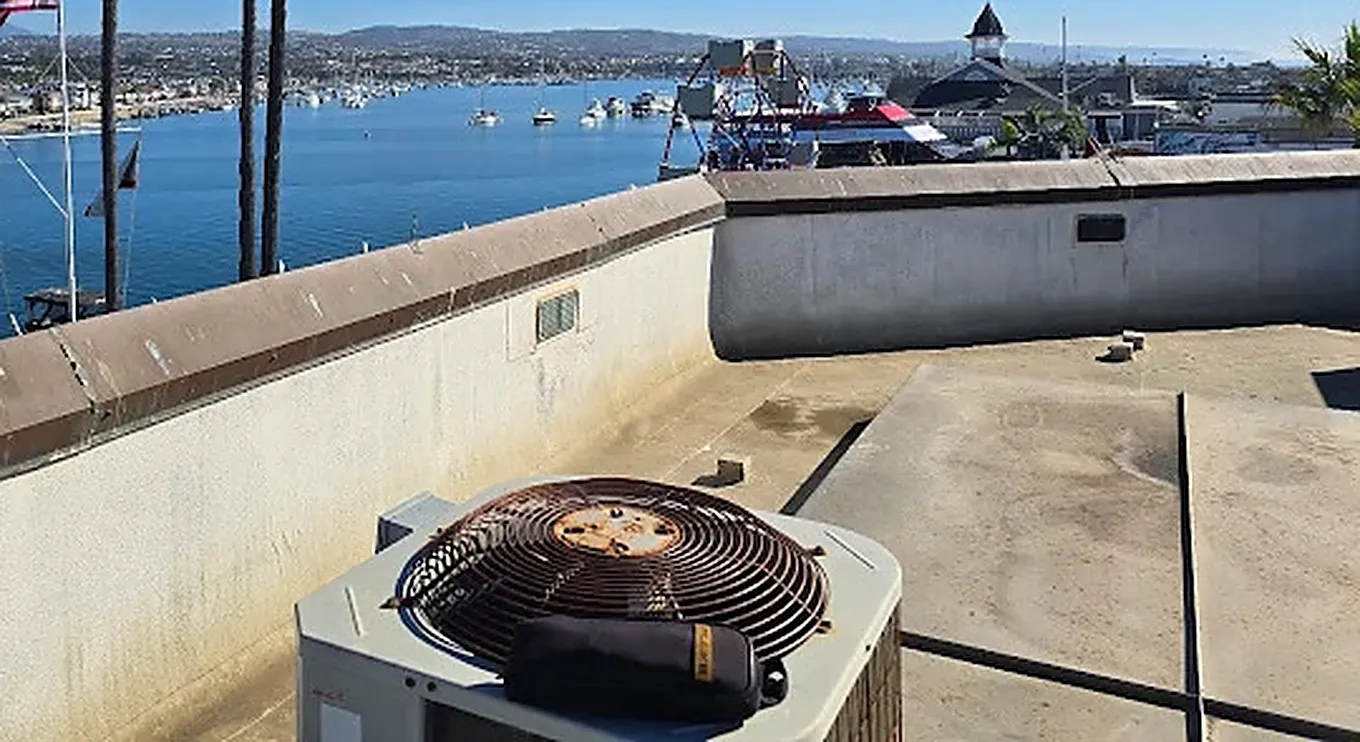
Marine air attacks outdoor systems through a steady mix of airborne salt and morning humidity:
- Coil and copper degradation: Thin aluminum fins and copper tubing pit when exposed to salt film. This blocks airflow, strains the compressor, and can cause pinhole refrigerant leaks.
- Rusted fasteners and cabinet edges: Standard steel screws, brackets, and panel edges rust quickly, causing rattles, vibration, and stripped hardware during repairs.
- Marine layer moisture: Frequent coastal fog dissolves dried surface salt into a corrosive film that continually wears down exposed metal.
What to Specify for Coastal Installations
To help an outdoor heat pump reach its full service life near the beach, include these safeguards in your installation plan:
- Factory coil coatings: Choose equipment with factory-applied anti-corrosion treatments, such as epoxy or phenolic coatings, to shield delicate coil fins.
- Corrosion-resistant fasteners: Confirm exterior panels and brackets use stainless steel or treated hardware.
- Elevated mounting pads: Mount the outdoor unit on composite pads elevated above the slab to stay clear of standing water and sand.
- Shielded placement: Position the unit on the leeward side of the property away from prevailing winds and clear of lawn sprinkler overspray.
- Seacoast warranty terms: Verify warranty terms in advance. Many standard warranties exclude coastal corrosion unless documented protective features are in place.
Maintenance Cadence for Coastal Homes
Standard once-a-year maintenance is rarely enough near the water. Coastal equipment requires regular attention to stay clean and efficient:
- Monthly fresh-water rinses: Homeowners can gently rinse outdoor condenser coils with a garden hose every three to four weeks to wash away salt crust. Never use high-pressure nozzles, which bend fins.
- Semi-annual professional tune-ups: Schedule service twice a year near the coast. Technicians use neutral, non-acidic coil cleaners, check electrical contacts, and inspect for early corrosion.
- Service records: Keep detailed maintenance logs. Proof of routine service protects warranty coverage and supports resale value.
For a closer look at protecting coastal equipment, read our guide on preventing salt air corrosion in Huntington Beach.
Our Brightwater Maintenance Membership provides scheduled seasonal tune-ups to protect your equipment year after year. If you want us to inspect your current setup and recommend a coastal protection plan for your location, request a free estimate.
Practical Installation Factors for Coastal Orange County Homes
A 1970s beach bungalow with no ducts and a 100-amp panel needs a different installation plan than a newer two-story home with existing central ductwork. Before selecting equipment models, several property-specific details will shape your project scope and total investment:
- Ducted vs. ductless layout: Older coastal ductwork often suffers from air leaks, undersized runs, or corrosion on metal transitions. Connecting a modern heat pump to compromised ducts restricts airflow and lowers efficiency. Homes without existing ductwork are often better served by ductless systems that offer efficient room-by-room zoning without major remodeling.
- Electrical capacity and panel readiness: Heat pumps run entirely on electricity. If your coastal home still operates on a 100-amp panel, installing a larger heat pump or multi-zone system usually requires an upgrade to 200 amps. Requesting an electrician quote early prevents surprise scope changes. For a detailed cost breakdown, see our guide on HVAC installation cost factors in Huntington Beach.
- Noise ordinances and side yard clearances: Narrow property lines across Newport Beach and Huntington Beach put outdoor condensers close to neighbor boundaries and bedroom windows. Choosing variable-speed inverter equipment keeps decibel levels low enough to satisfy local municipal codes and HOA rules, while preserving the two to three feet of clearance required for airflow.
- Permits and California energy codes: Permitted installations require Title 24 verification for proper airflow, refrigerant charge, and safety. This documentation protects your home value during resale and confirms your system qualifies for available rebates. When planning an HVAC system replacement, a licensed contractor makes sure every component meets California compliance standards.
Understanding the Real Operating Costs and Heat Pump Incentives
Under Southern California Edison (SCE) Time-of-Use rates, a kilowatt-hour costs significantly more during on-peak hours (4 PM to 9 PM) than it does off-peak, and SCE revises those prices periodically. Check the current numbers for your own rate plan on the SCE time-of-use rate page before you model savings. Your operating costs depend heavily on when you run the system, not just the efficiency rating on the box.
There is no universal payback timeline for a heat pump in coastal Orange County. Your real monthly bills depend on four main factors:
- Your specific SCE rate plan and daily runtime patterns
- Whether you have solar, your net metering structure (NEM 2.0 vs. NEM 3.0), and annual true-up balances
- The efficiency of your current furnace compared to local natural gas prices
- Heat pump configuration: a standard single-stage unit versus an inverter-driven, variable-speed system
A Practical 5-Step Operating Cost Framework
To decide if switching makes sense for your home, walk through these five steps:
- Review seasonal usage: Check your last 12 months of utility bills to establish baseline winter gas therms and summer kilowatt-hour usage.
- Understand heating efficiency: Heat pump efficiency is measured by Coefficient of Performance (COP), which indicates how many units of heat the system produces for every unit of electricity consumed.
- Compare fuel rates: Look at your off-peak and on-peak electric rates per kilowatt-hour alongside your gas rate per therm.
- Account for coastal upkeep: Factor in routine maintenance, like semi-annual coil rinses, which prevent salt deposits from degrading efficiency over time.
- Define your goals: Operating savings are only part of the decision. Quieter operation, better summer humidity control, and ditching gas lines add real value. If your existing setup is failing, deciding whether to repair or replace your AC helps establish your timeline.
Navigating Rebates, Tax Credits, and Program Availability
Available incentives can offset upfront equipment costs, but rules and funding levels change frequently. The status below was verified in August 2026, so confirm each program before you sign a contract:
- Federal 25C Tax Credit (expired): This credit ended for equipment placed in service after December 31, 2025, so a heat pump installed today no longer qualifies. See the IRS Energy Efficient Home Improvement Credit page for current rules and confirm your own situation with a tax professional. Keep contractor invoices and AHRI certificates regardless, because utility and state programs ask for the same paperwork.
- TECH Clean California: This state program offers rebates through enrolled contractors, but funding is limited and reservations pause when budgets are depleted. Confirm what is open today on the TECH Clean California incentives page before counting on it.
- HEEHRA Rebates: As of February 24, 2026, HEEHRA single-family rebates are fully reserved statewide and new reservation requests go onto a waitlist, so this income-qualified support may not be available when you buy. Check the current HEEHRA status before building it into your budget.
- California Refrigerant Rules: Rebate-eligible systems must comply with state lower-GWP refrigerant mandates. Confirm with your installer that proposed equipment meets these standards.
If you want a quote that includes coastal protection options and a realistic operating-cost conversation for your home, call (714) 316-3755 for a free estimate.
Long-Term Heat Pump Care in Our Coastal Climate
If one system handles both heating and cooling, does that mean double the repairs? Not necessarily. While a heat pump runs across all four seasons rather than sitting idle for months at a time, its core mechanical components mirror standard air conditioning systems. Most service calls involve familiar HVAC parts: restricted airflow, electrical contact wear, failing capacitors, refrigerant balance issues, or dirty indoor and outdoor coils.
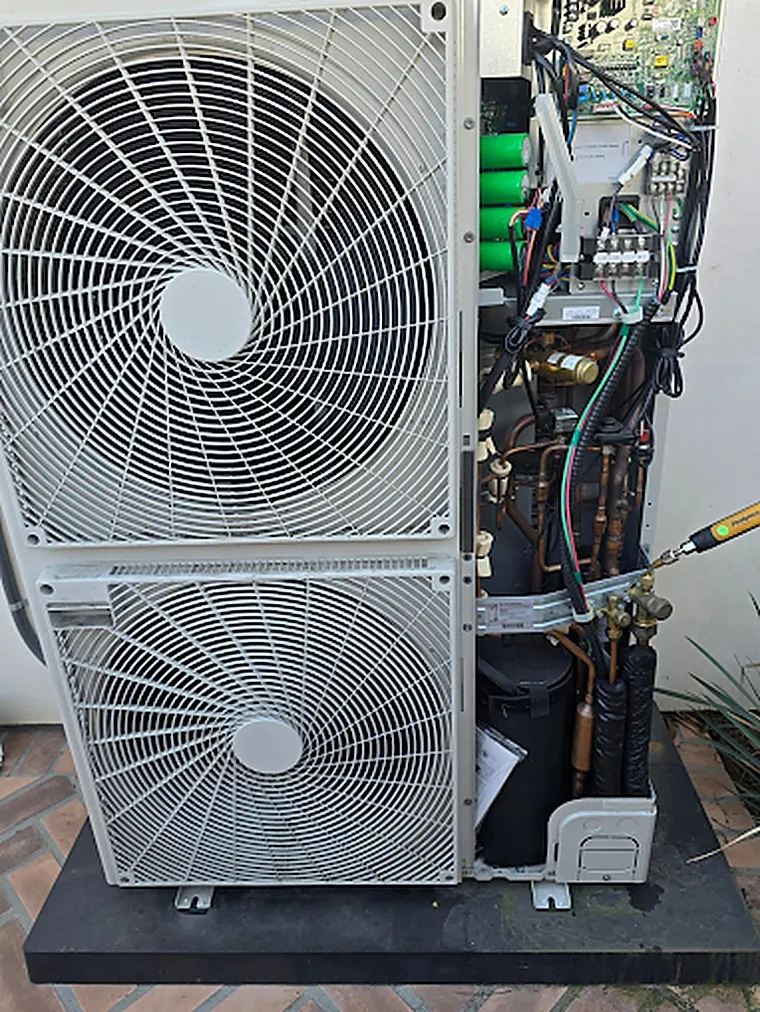
Because the outdoor unit operates year-round in our coastal climate, preventive care is essential for long-term reliability. Airborne salt spray and marine moisture accelerate corrosion on exposed metal, making routine inspections especially important. Professional heat pump service focuses on evaluating coil condition, tightening electrical connections, clearing condensate lines, and removing salt buildup before it causes structural damage. Regular tune-ups do not guarantee zero equipment issues, but catching early corrosion and electrical strain significantly reduces surprise breakdowns.
When problems do arise, deciding whether to repair or replace your system comes down to three key factors:
- Age and corrosion condition: A ten-year-old system with heavily pitted aluminum fins and rusted cabinet hardware is rarely a smart candidate for major component repairs.
- Repair history: If you are dealing with recurring refrigerant leaks or repeated electrical failures, investing in a modern replacement often provides better long-term reliability.
- Comfort and duct issues: Persistent hot or cold rooms often point to duct leakage, poor insulation, or improper system sizing rather than a single mechanical failure.
A Coastal Heat Pump Checklist for Your Next Quote
Deciding on a heat pump comes down to your comfort goals, energy setup, and proximity to salt air. Use this quick checklist to evaluate your home:
A heat pump is often worth it if:
- You want efficient heating and cooling in a single system.
- You use AC enough to benefit from high-efficiency summer cooling.
- You protect the outdoor unit with coated coils and routine coastal maintenance.
- You have solar panels or can shift energy use away from peak utility hours.
- Your existing furnace or AC is aging and repair costs are climbing.
It may not be worth it yet if:
- Your current furnace is relatively new and your cooling needs are low.
- Electrical service upgrades push the initial project past your target budget.
- Lot lines, HOA rules, or placement limits prevent proper condenser airflow.
Questions to ask before choosing an installer:
- What coastal protection is included, such as factory-coated coils and corrosion-resistant hardware?
- Where will the outdoor condenser sit to minimize direct salt air exposure?
- Do you perform a Manual J load calculation rather than sizing by rule of thumb?
- What maintenance schedule do you recommend for our distance from the beach?
- Which current rebates or incentives apply, and do you handle the paperwork?
To see if a heat pump is the right fit for your home, schedule a free evaluation with our owner-led team.
Frequently Asked Questions
Are heat pumps worth it in Orange County’s coastal climate?
Yes, heat pumps are worth the investment for most Orange County coastal homes, provided you protect the outdoor unit against salt air. They deliver efficient, year-round heating and cooling that excels in our mild 50 to 75 degree coastal weather. Operating costs stay low when the system is paired with rooftop solar panels or managed around off-peak electric hours. Coated outdoor coils and regular rinses are essential to help the system reach the 12 to 15 year service life manufacturers typically cite.
What does heat pump installation in Orange County typically include?
A complete heat pump installation in Orange County involves thorough system design, safety testing, and local code compliance, not just swapping outdoor boxes. Design and planning covers accurate Manual J load calculations, ductwork performance assessments, and electrical panel reviews. Execution covers safe equipment removal, Title 24 permit coordination, and manufacturer-certified system commissioning. Always compare estimates carefully to confirm electrical upgrades, permits, and coastal protective coatings are explicitly included.
Will salt air void my heat pump warranty?
Most standard manufacturer warranties exclude cosmetic corrosion, rust, and coil leaks caused by environmental salt air. Ask your installer about factory-applied anti-corrosion coil treatments and specific seacoast warranty riders before purchasing. Manufacturers typically require documented annual or semi-annual maintenance to keep baseline mechanical and compressor warranties valid.
How often do I need heat pump maintenance in Orange County near the beach?
Within five miles of the ocean, homes require professional maintenance twice per year, paired with simple monthly homeowner upkeep. Homeowners should gently rinse outdoor condenser coils with a garden hose to clear salt deposits. A technician cleans coils using non-acidic solutions, checks electrical connections, and clears drain lines. Enrolling in the Brightwater Maintenance Membership automates this seasonal schedule.
Who should I call for heat pump repair in Orange County if my system stops working?
Contact a licensed HVAC contractor experienced with variable-speed inverter systems and coastal environments. Before requesting service, inspect your circuit breaker, replace a dirty air filter, and confirm thermostat modes. Avoid DIY fixes on refrigerant leaks and electrical faults, which require calibrated diagnostic equipment. For prompt diagnostics, contact a licensed local heat pump technician for an accurate repair evaluation.
Are heat pumps a good option in Huntington Beach condos with noise and space limits?
Yes, modern compact heat pumps work well in Huntington Beach condos, multi-family units, and zero-lot-line properties. Variable-speed compressors run at low decibel levels, easily satisfying strict HOA noise regulations. For condos lacking central ductwork, multi-zone ductless systems provide independent room-by-room comfort with minimal outdoor footprints.
Talk Through Your Heat Pump Options With Brightwater
Ready to find the right heating and cooling solution for your coastal home? Contact Brightwater Heating & Air or call (714) 316-3755 for an owner-led consultation and a straightforward recommendation.